
Ligand Immobilization in Protein Interaction Studies — An Unattended Amine Coupling Protocol with Automatic Coinjection Activation
Amine coupling is the most commonly adopted technique to bind proteins to biosensor chips. Because of the possibility of the amine coupling reagents reacting with each other, these have to be premixed just before the injection and injected independently. Here are some tips to automatically coinject these reagents.
Bio-Rad’s Universal Real-Time PCR App – Everything You Need to Know about Real-Time PCR at Your Fingertips
Bio-Rad’s Universal Real-Time PCR Kits and Reagents work on all real-time PCR systems. Now you can easily compare performance data and get supporting documents for these kits and reagents using Bio-Rad’s new tablet and web app. Learn more and download the app here.
Developing Bio-Rad’s S3™ Cell Sorter: The Great Cell Sorting Redesign
Cell sorting technology is not new. However, sometimes taking a new look at a mature technology brings unexpected results. See how we reimagined drop delay calculation, rethought software and automation, and more during the design and development of Bio-Rad’s S3 Cell Sorter.
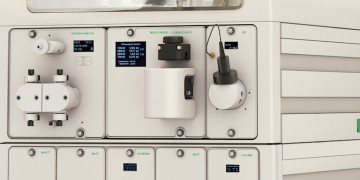
Protein Purification Workflow Development Using Bio-Rad’s NGC™ Chromatography System
While using affinity tagging is the preferred method to achieve highly pure protein through recombinant expression, this approach isn’t feasible for all proteins. This tech report describes workflow optimizations using the NGC Chromatography System that allow users to achieve high purities with untagged proteins.
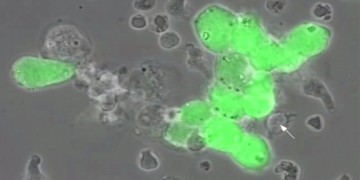
Unlocking the Structures of Natural Killer Cell Receptors with the NGC™ Chromatography System
Structural biologist Petr Novák employs the latest techniques to model natural killer cell receptor molecules, research that may one day result in powerful therapies to treat cancer and infections. Go inside the fascinating world of structural characterization and find out how Novák has integrated the NGC™ chromatography system into his effort to visualize these molecules in vivid detail.
Novel Liposome-Capture Surface Chemistries to Analyze Drug-Lipid Interaction Using the ProteOn™ XPR36 System
Surface plasmon resonance (SPR) biosensors offer a label-free technique for profiling biomolecular interactions, including those between drugs and liposomes. Here we describe the novel surface chemistries that make capturing liposomes possible, and explore the application of the liposome capturing kit in analyzing liposome-small molecule interactions.
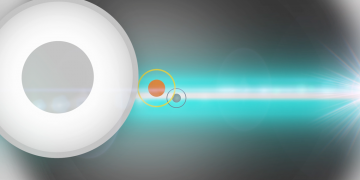
DIY Cell Sorting with Bio-Rad’s S3™ Cell Sorter
Until recently, cell sorting has been a complex endeavor requiring specialized facilities and trained technicians. This infographic reveals how Bio-Rad’s S3 cell sorter makes this technique available to individual, non-expert researchers in 3 easy steps.
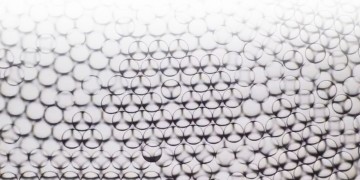
The Ever-Expanding Universe of Droplet Digital™ PCR Applications
Bio-Rad’s groundbreaking Droplet Digital™ PCR technology can be applied in a variety of applications to glean precious information that cannot be obtained by any other method. Find out more about how this technology has been used in applications such as quantification of cancer biomarkers, validation of next generation sequencing, distinguishing genomic variation, and more.
Transforming Cancer Research: Droplet Digital PCR Plays Integral Role at Fred Hutchinson Cancer Research Center
Droplet Digital PCR has major implications for cancer studies, where the ability to accurately measure biomarkers may result in important insights into cancer genesis and progression. Find out about new findings on micro RNA and Tumor Infilitrating Lymphocytes made possible by ddPCR technology.
A New Breed of Cell Sorters: Bio-Rad’s S3™ Cell Sorter Appeals to the Growing Cell Biology Community
The S3 cell sorter is Bio-Rad’s new addition to the world of flow cytometry. Take a look at how this instrument breaks the mold for cell sorters, brings relief to investigators and core lab managers alike, and opens up exciting new research possibilities.