
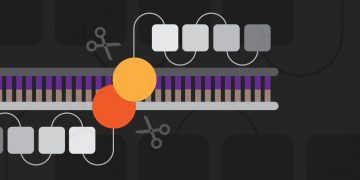
From megaTALs to CRISPR: The Many Ways to Edit a Gene
CRISPR has revolutionized gene editing but is not the only way to edit a gene. We compare the pros and cons of four main gene editing techniques – meganucleases, zinc finger nucleases, TALENs, and CRISPR-Cas9 – discuss the advance of these methods to the clinic for therapeutic applications, and introduce newer technologies that eliminate some of the pitfalls of current techniques.
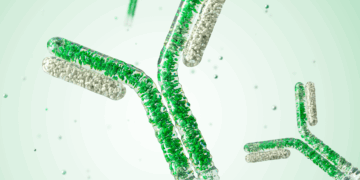
Monocytes — a Mini Review
Monocytes play key roles in mediating innate and adaptive immune responses. Here is an overview of the types, functions, process of recruitment, and the role of monocytes in disease.
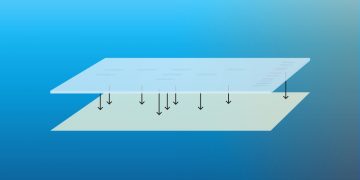
Six Tips for Efficient Transfer of Your Proteins
A good and complete transfer of proteins from gels to membranes is crucial for the success of western blotting. Here are six useful tips for successful transfer of proteins.

Productivity through Workflow Personalization: What Pharma Is Learning from Other Industries
Striving for efficiency in workflow is not a new concept. Automation and use of smart technologies in industries such as automotive and shipping, and services like USPS and UPS, have drastically changed the way they function today not just with innovation but with personalization. Pharma is beginning to understand the need for adopting personalized workflow as well. Now, what can Pharma learn from these industries and how can it apply it to the industry?
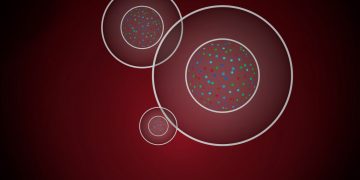
Assessing Cell Health: Apoptosis
In this second part of the series on assessing the health of your cells, we review the different types and stages of apoptosis, and the various methods of assessing apoptosis of cells.
Macrophage Polarization — An Overview
Macrophages are important players in the phagocytosis process in the immune system. In this detailed review, we provide an overview on the different types of macrophages, the signaling molecules involved in the polarization of M1 and M2 macrophage subsets, and more.
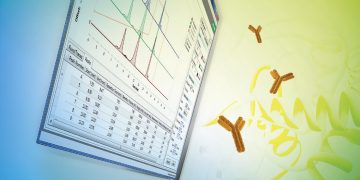
Synthesis and Purification of Recombinant Proteins — A Success Story
Producing highly purified proteins in large quantities is a challenge and requires modification of methods and protocols to attain high efficiency. Dr Murat Kasap from Kocaeli University, Turkey, has overcome these difficulties by taking advantage of the modularity of the NGC Chromatography System and successfully synthesized and purified cardiac troponin-I protein.

A Superior Method for Parallel Analysis of RNA and Protein Expression from Cell Culture Lysates
It is imperative to analyze both the transcriptional and translational profiles for a complete understanding of the functioning of genes. Here we describe a simple protocol that enables parallel analysis of both RNA and protein from single cell culture lysates. See how this workflow could save time and money and yield more reliable data than the traditional protocols used.
Assessing Cell Health: Viability and Proliferation
In this multi-part series on assessing the health of your cells, we review different factors to be considered in your assessments such as cell viability, proliferation, apoptosis, and autophagy. The first part covers the methods for assessing viability and proliferation and their advantages, and discusses some common considerations.

Purifying Difficult-to-Purify Proteins
Protein purification becomes a challenging step for applications requiring high protein concentrations (such as structural biology studies). This is also true for researchers purifying integral membranes proteins and untagged proteins from native sources. Here we provide some useful tips for selecting the proper resins, optimizing conditions and developing effective strategies to tackle the challenges associated with such difficult-to-purify proteins.