

Finding New Horizons — What Possibilities Exist with Single-Cell Analysis?
Single-cell techniques offer exciting, new ways to understand personalized medicine and research. Developing these techniques at Bio-Rad is Dr. Kelly Kaihara, the third guest on Brilliant Science. Read about what makes single-cell analysis different and Kaihara’s perspective on its potential moving forward.

The Benefits of Flow Cytometry in Immuno-Oncology Research
Immuno-oncology, or cancer immunotherapy, research focuses heavily on the various types of cells and their behavior in cancer, so the use of flow cytometry to interrogate these cells is a no brainer. See how flow cytometry fits in this growing field of research and how it can help identify new targets and improve drug design to generate more effective and safer cancer therapeutics.
Phagocytosis and Phasing Out Disease
Our immune systems could soon hold the key to rewriting disease and disorder treatments. Studying the inner workings of the immune system’s primary weapon, the macrophage, with the help of CRISPR is Dr. Adam Hoppe at SDSU. Read more about his exciting work and what he hopes to accomplish next.

Improve Your Protein Purification Process Economy with CHT Ceramic Hydroxyapatite XT Media
CHT Ceramic Hydroxyapatite XT Media is designed for repeated use and exceptional resolution. It combines exceptional functionality with a long column life to help achieve high productivity and improved process economics. See how CHT XT can improve your protein purification.

Finding a Good Antibody:Part II — Antibody Validation
Finding antibodies that work for your application is just the first step in finding a good antibody. Next is antibody validation — making sure that your antibody does what you think it is supposed to. In this second article in our Finding a Good Antibody series, learn how best to go about validating your antibodies.
The Potential for CRISPR Gene Editing in HIV
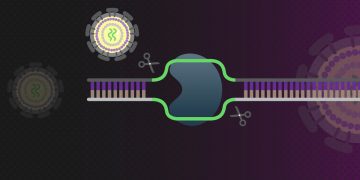
The advent of CRISPR as a gene editing tool appears to have revolutionized drug discovery and development in a very short time. CRISPR-Cas9 technology is also being utilized to target HIV, to mutate or cut out the provirus. Read about what’s new in potential treatments for HIV and the challenges facing the industry.
NYU Prof Harnesses CRISPR to End Muscular Dystrophy
On the scientific horizon are possibilities of curing genetic disorders and altering disease management — all because of CRISPR. Investigating exciting approaches to reversing the effects of muscular dystrophy with the help of CRISPR is Dr. Chengzu Long at NYU. Read more about his life, his work, and where he sees CRISPR going next.

Finding a Good Antibody:
Part I — Selecting the Best Antibodies
Even though antibodies are central to basic research as well as drug development and diagnostics, concerns with antibody validation remain high, and finding an antibody that works well for a specific application can be quite a challenge. Use these tips to select the best antibodies for your application.

Cancer in the Age of Long Noncoding RNA Discovery
Cancer is one of the leading causes of death in the world and, due to an aging population, more and more people are diagnosed with cancer every year. Researchers are actively searching for treatment options in the form of potential biomarkers. Long noncoding RNAs (lncRNAs) have piqued the interest of researchers as a relatively new source of therapeutics. Learn more about lncRNAs and see how they can be used in cancer diagnosis and intervention.

Improve the Quality of Your Cell Analysis with the ZE5™ Cell Analyzer
Cell analysis is a crucial first step in many experiments so a reliable, flexible, and quick cell analyzer that produces high-resolution, reproducible results is what every lab needs. See how the ZE5™ Cell Analyzer can help improve the quality of your cell analysis experiments, instill confidence in your results, and shorten the time to publish.