
The How and Why of Normalizing Your Western Blots
Introducing data normalization into your western blotting workflow may sound unnecessary but it has proven to be a great way to ensure great results. Follow along as we break down some of the main takeaways from the first chapter in Dr. Oh’s popular wester blotting webinar series, including a unique method to ease normalization woes and worries.
High-Throughput Single-Cell RNA-Seq of Large Cells and Nuclei
mRNA-FISH, single-cell RT-qPCR, and single-cell RNA sequencing (RNA-Seq) have emerged as popular single-cell transcriptomics technologies. See how the Illumina® Bio-Rad® Single-Cell Sequencing Solution overcomes many of the challenges of currently available platforms by allowing high-throughput and scalable sequencing of even the most challenging sample types, including large cells and small species such as nuclei.
The Ups and Downs of Biosimilar Development
In this podcast, biosimilar key opinion leader Dr. Paul Rhyne provides an overview of the current state of biosimilars and their global impact. Leveraging his 20+ years of experience in developing biologics, he discusses how cost and patient access play a big role in this new field of research.
Preamplification and How it Can Be Used to Maximize qPCR Data Generation from Limited Samples
Incorporating preamplification into your qPCR experiments may seem daunting, but it is a powerful way to analyze targets from limited samples. The tips in this article will help you understand how preamplification can enhance your qPCR experiments and the considerations and implications for incorporating it into your workflow.
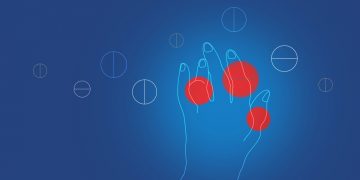
Biosimilars: Providing More Treatment Options
It is hoped that the development of biosimilars will lead to more accessible and cost-effective treatment options. Here we explore the current opportunities for biosimilars in rheumatoid arthritis and discuss the opportunities and concerns tied to their use.
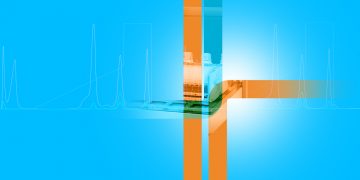
Introducing the NGC™ Fraction Collector for Discovery to Process-Scale Protein Purification
The newly launched NGC™ Fraction Collector, together with ChromLab™ 5.0 Software, have enhanced the functionality of the NGC Chromatography System to provide the flexibility and collection capacity needed for any application, from discovery to scale up. See how the NGC System can help you improve your protein purification process.
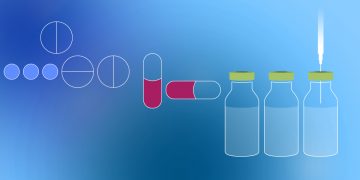
What’s New in U.S. Biosimilar-Land?
Biosimilars are gaining in popularity and estimates predict that the U.S. could save between $40–250 billion in healthcare costs over the next decade by switching from biologics to biosimilars. See how biosimilars have gained in popularity recently, the challenges the U.S. faces in developing them, and what the future holds.
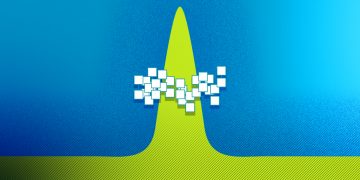
Minimizing On-Column Monoclonal Antibody Aggregate Formation
The formation of aggregates is a common but highly undesirable occurrence during monoclonal antibody purification. See how on-column aggregation is dependent on the type of resin used and how one particular high-resolution cation exchange resin allows for the lowest proportion of aggregate formation.
Year in Review: What We Learned in 2017
In 2017, Bioradiations published a wide variety of general interest articles, tips, podcasts, and application notes. Revisit the technological advancements and growth in technology that researchers experienced this year. Here are the highlights of what we learned this year.
Top Ten Videos of 2017
Explore the most watched Bio-Rad videos in 2017. From understanding CRISPR gene editing to generating better qPCR data to selecting antibodies for fluorescent western blotting, these videos highlight how we continually strive to help our customers do better science.