

Third Generation PCR
The McCarroll laboratory studies the biological effects of human genome polymorphism, seeking to define how genome variation influences gene expression and risk of disease.
Around the World with the ChemiDoc™ MP Imaging System
Bio-Rad has long demonstrated innovation in imaging, with the introduction of the stain-free gel electrophoresis workflow, which was rapidly followed by the launch of the Gel Doc™ EZ imager. Now, this progression continues with the release of the ChemiDoc™ MP imaging system.
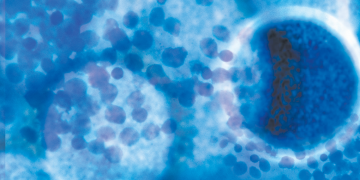
Application of Hexapeptide Libraries for Enhanced Protein Detection in Human Cellular Lysates
Hexapeptide libraries, such as Bio-Rad’s ProteoMiner™ protein enrichment technology, can significantly increase sensitivity of shotgun proteomics analyses of diverse complex samples. Underlying this increased sensitivity is the partial removal of high-abundance proteins leading to an increased representation of low-abundance proteins — a phenomenon described as dynamic range compression. Currently, hexapeptide libraries have been mostly used to increase proteomic detection in fluid samples (eg: saliva, plasma, etc.), but not in cellular lysates.
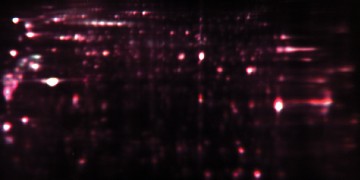
Transitioning from Chemiluminescent to Multiplex Fluorescent Blotting: Things to Consider
Today many researchers are considering changing their western blot detection method from chemiluminescence to multiplex fluorescence. There are several drivers behind this trend. Most significantly, fluorescent detection allows users to multiplex their western blots, enabling simultaneous detection of several target proteins at once, reducing or eliminating the need to strip and re-probe. Other benefits of fluorescence include better dynamic range, more quantitative results, and better signal stability over time.
Highly Efficient Lipoparticle Capture and SPR Binding Kinetics of a Membrane Protein Using the ProteOn™ XPR36 Protein Interaction Array System
The genes coding for membrane proteins, such as G-protein coupled receptors (GPCR), ion channels, and other membrane-bound enzymes make up 25–30% of the human genome and membrane proteins are estimated to represent 30–40% of the top drug targets. There is growing research, industrial, and commercial interest in the study of membrane proteins in general, and more specifically in immobilizing membrane proteins to various biosensor surfaces.
A MIQE Case Study — Effect of RNA Sample Quality and Reference Gene Stability on Gene Expression Data
This tech report shows how qPCR can lead to erroneous conclusions regarding differences in MCM7 gene expression between normal and tumor human breast cancer samples if the key steps set out in the MIQE guidelines are not followed.
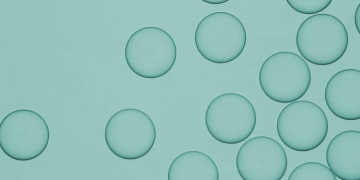
QX100™ Droplet Digital™ PCR system
Bio-Rad’s QX100™ Droplet Digital™ PCR system provides an absolute measure of target DNA molecules with unrivaled precision and accuracy.
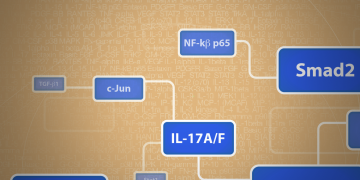
Bio-Rad Introduces New Bio-Plex® Human Cancer Assays
Bio-Plex Pro™ Human Cancer Biomarker Panel 1 is a unique blend of magnetic bead-based assays designed to meet the needs of the most discerning preclinical and clinical researchers.
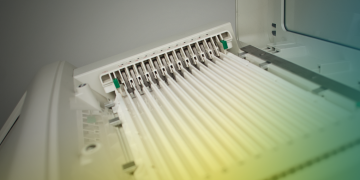
Using the new PROTEAN® i12™ IEF System to Achieve Highly Reproducible Data and Extended Separation Over Multiple pH Ranges in a Single Run
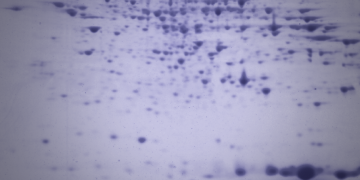
2-D electrophoresis is a multistep technique that separates proteins first by a protein’s isoelectric point and then by its molecular weight. This powerful technique can separate thousands of proteins in a complex proteome and is useful for applications such as protein profiling and biomarker discovery. The drawback of the technique is that it requires multiple steps, each of which can be time-consuming and can contribute to problems with reproducibility.
Use of the PROTEAN® i12™ IEF System for In-Gel Peptide Fractionation Prior to LC-MS and Comparison with Off-Gel Fractionation
This tech report compares in-gel and off-gel separation of proteins in terms of overall speed and simplicity of the workflow, resolution of the separation, and depth of proteome coverage provided. Results found that as well as higher peptide yields, in-gel separations were better suited to take full advantage of downstream analysis methods.