

Bio-Rad Automated Supply Center in Action
Automated supply centers reduce paper and packaging waste, apart from providing convenience. As part of its sustainability efforts, Bio-Rad is increasing the number of its supply center sites. The video describes how the supply center works.
Transitioning from Chemiluminescent to Multiplex Fluorescent Blotting: Things to Consider
Today many researchers are considering changing their western blot detection method from chemiluminescence to multiplex fluorescence. There are several drivers behind this trend. Most significantly, fluorescent detection allows users to multiplex their western blots, enabling simultaneous detection of several target proteins at once, reducing or eliminating the need to strip and re-probe. Other benefits of fluorescence include better dynamic range, more quantitative results, and better signal stability over time.
PROTEAN® i12™ IEF System Introduction
Bio-Rad’s PROTEAN i12 IEF system is specially designed for running different sample types, different gradients, and multiple 2-D electrophoresis protocols at the same time. Watch the video to learn about all the new features of this IEF system.
Innovating Electrophoresis with Precast Gels
Setting new standards for consistency and speed in the electrophoresis workflow.
Trans-Blot Turbo Instructional Video
Instructional video to guide you through the features, benefits, and operation of the Trans-Blot Turbo system.
Trans-Blot® Turbo™ System vs. the iBlot System
Battle of the blotters: see how the Trans-Blot Turbo system performs compared to the iBlot dry blotting system.
Trans-Blot® Turbo™ System vs. Traditional Blotting Techniques
See how the Trans-Blot Turbo system measures up against traditional blotting techniques.

Bio-Plex® Assay Configurations Simplified with the Bio-Plex Assay Builder for Complete Flexibility
Now you can optimize research expenditure by multiplexing only the targets you need to get the answers you’re seeking. This newly updated tool allows you to choose from within panels to build the perfect kit.
Guidelines for Developing Robust and Reproducible High-Resolution Melt Analysis Assays
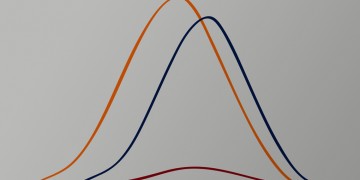
Classifying and understanding genetic variation between populations and individuals is an important aim in the field of genomics. High resolution melt (HRM) analysis is the quantitative analysis of the melt curve of a DNA fragment following amplification by PCR and can be considered the next-generation application of amplicon melting analysis. Careful sample preparation and planning of experimental and assay design are crucial for robust and reproducible results.

Using the Precision Plus Protein™ WesternC™ Standard as a QC Tool at Key Steps in Your Electrophoresis and Blotting Workflow
As a fundamental tool in protein research, it is critical that all steps of the electrophoresis workflow (from running gels to visualizing blots) are performed successfully to ensure accurate, reliable, and reproducible results. Protein standards are often used to monitor electrophoretic separation and transfer efficiency but do not always enable ladder visualization after blot development.