
A New International Standard to Measure DNA?
From quantifying a patient’s tumor DNA to counting the viral load of an individual infected with COVID-19, the breadth of digital PCR (dPCR) applications continues to grow and fulfill critical scientific needs. dPCR offers the ability to count nucleic acid molecules directly, rather than extrapolating the quantity from standard curves as with many other methods. By harmonizing diagnostic procedures on dPCR platforms, the scientific and medical communities can become more coordinated and efficient.

Expert Coffee Chats: Coffee Chat #4 – Droplet Digital PCR in Cell and Gene Therapy
Presented by: Matthew L. Turner, PhD, Field Application Scientist – ddPCR, NGC and qPCR, Tara Ellison, PhD, Senior Field Application Scientist
Date: June 17, 2020
Time: 9 AM, U.S. Pacific time
- Robust methodology for viral titer using ddPCR
- Precise copy number determination & improved confidence in acceptance criteria
- Enhance your throughput and minimize hands-on time
- Learn how ddPCR is used in other key applications
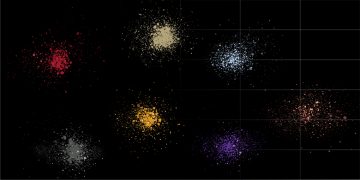
Expanded Droplet Digital PCR Multiplexing Capability Using Two Different Strategies
Multiplexing with Droplet Digital PCR (ddPCR) allows for improved sensitivity and precision, as well as increased low-level detection in limited sample types like liquid biopsies. Learn about amplitude and probe-mixing multiplexing and how our ddPCR Assays can help set you up for multiplexing success.
Rapid, Sensitive Cancer Biomarker Screening in cfDNA
Disease-associated mutations can be prognostic of outcome and inform treatment choices. However, traditional tissue biopsies limit the ability to implement personalized treatments. Read about how multiplex digital PCR can enable the tracking of treatment efficacy using liquid biopsies.
Digital PCR: Helpful Tips When Using Droplet Partitioning Technology
Digital PCR offers a highly sensitive alternative to conventional qPCR, enabling absolute quantification of nucleic acids and rare allele detection. The tips in this article help you set up and optimize your digital PCR experiments when using droplet partitioning technology.

Research Review: Phasing Genomes using
Droplet Digital™ PCR
Find out how a new Droplet Digital PCR-based technique called Drop Phase lets you quickly and easily phase genomes to better understand diseases like cystic fibrosis.
A Semi-Automated Quantitative PCR Approach to Assess Differential Anti-Apoptotic Gene Expression Patterns Associated with Prostate Cancer Progression
Gene expression analyses become complicated and extremely time consuming when large numbers of genes need to be analyzed. Here we present a semi-automated qPCR workflow with reduced setup and processing times using Bio-Rad’s PrimePCR™ Panels and CFX Automation System II Plate Handler.
Ultra-Sensitive Quantification of Genome Editing Events Using Droplet Digital PCR
Genome editing using tools such as CRISPR/Cas9 and TALEN has gained enormous popularity in recent days due to their ability to create precise deletions or insertions. However when the frequency of these gene edits are really small, an ultrasensitive method like ddPCR™ is needed for accurate quantification. This technote explains how Droplet Digital™ PCR is used for the detection of HDR and NHEJ alleles generated using CRISPR/Cas9 and TALEN editing systems.
Using Droplet Digital™ PCR to Monitor Environmental Contaminants in Water
South of Los Angeles, near some of America’s most famous beaches, one small agency is working on new methods for coastal water monitoring. Watch this video and see how scientists from SCCWRP, the Southern California Coastal Water Research Project, are using Droplet Digital PCR to watch over swimmer safety and ensure a clean environment.
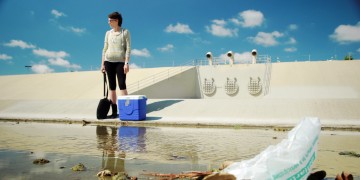
Protecting Coastal Ecosystems with Droplet Digital™ PCR
Who’s watching over swimmer safety at America’s beaches? Go inside one agency tasked with pioneering new methods for water quality monitoring, and see how its scientists are employing Droplet Digital PCR technology to check coastal waters for harmful pathogens.